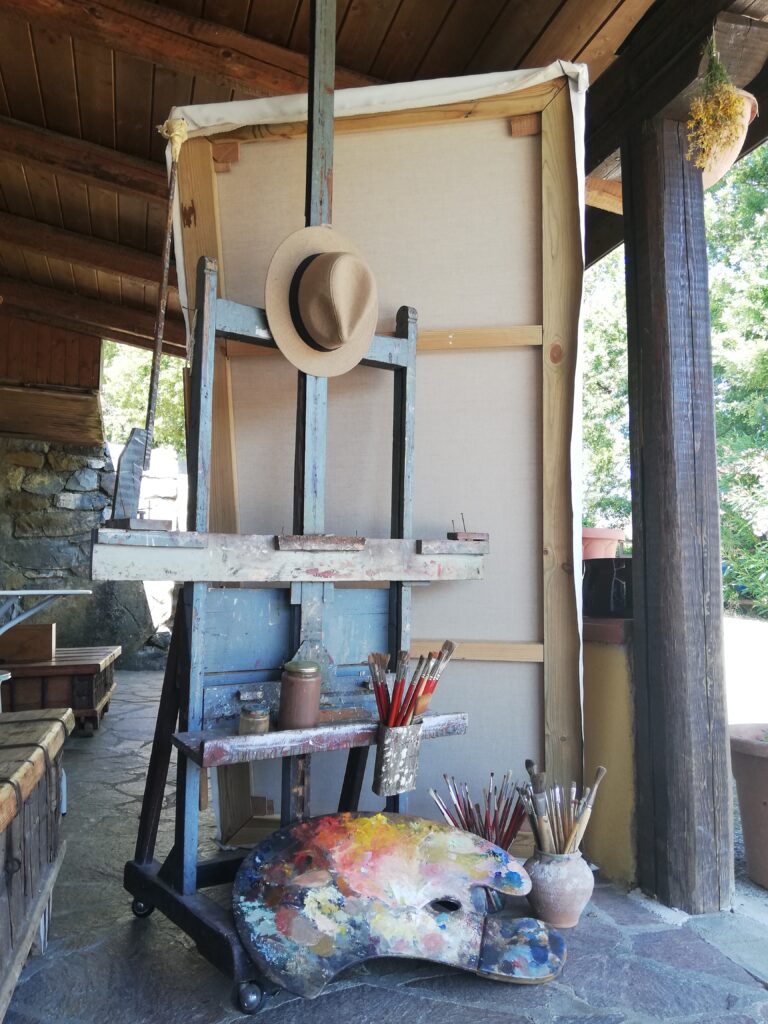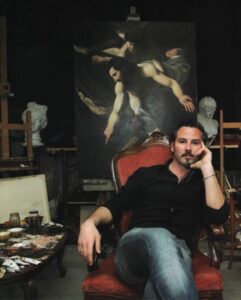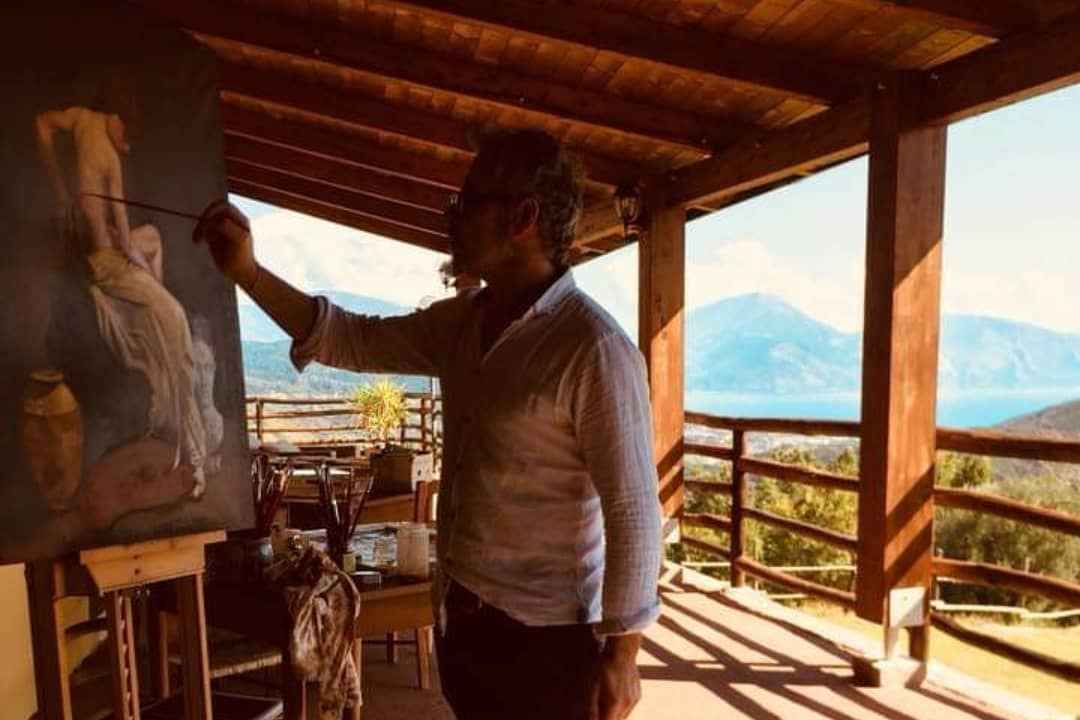
Some painters reproduce the world. Cesare Siboni reinterprets it, with Caravaggio’s light in his eyes, ancient pigments on his hands, and both feet planted firmly in the red soil of southern Cilento.
Trained at the Accademia delle Belle Arti di Napoli, he spent years unravelling the secrets of 17th-century masters: grounds, binders, that light that seems to come from within the canvas itself. His works have entered private collections in Italy, Japan and Belgium. Not through galleries, but through direct, personal dialogue with collectors. A choice, not a compromise.
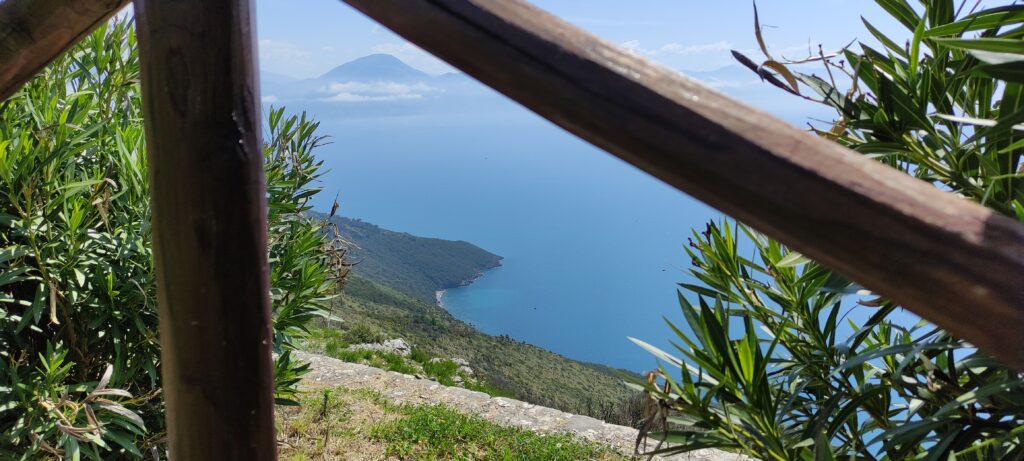
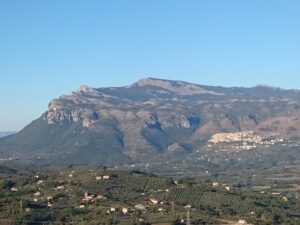
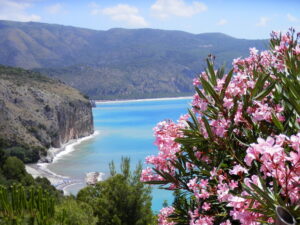
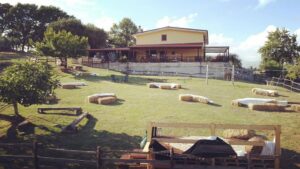
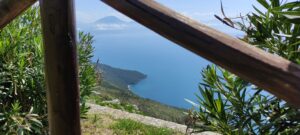
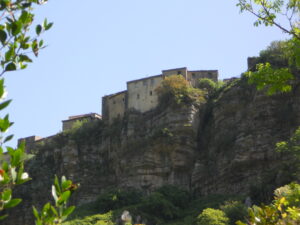
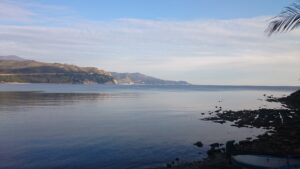
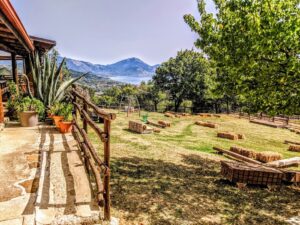
He chose Cilento as the centre of his life. Together with Isabella Gregorio, he runs Il Rifugio del Contadino in Bosco di San Giovanni a Piro, on the slopes of Monte Bulgheria, where the view across the Gulf of Policastro changes like a painting from one hour to the next. Here he has turned the farmhouse into an artist residency and founded the Accademia del Cilento, a cultural cooperative that brings exhibitions, workshops and living art to the villages of the territory.
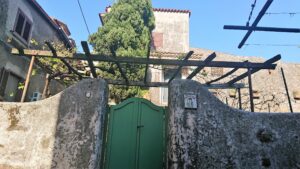
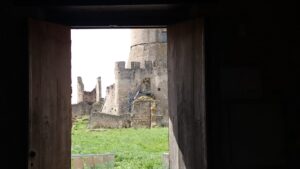
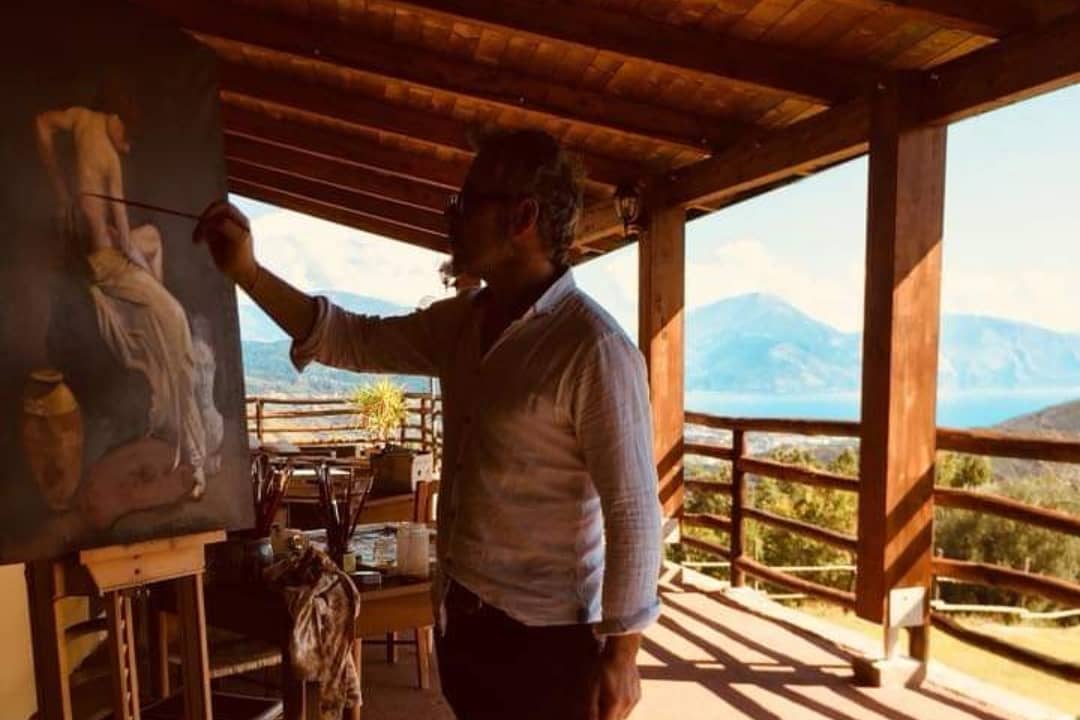
When he sets up his easel in front of an ancient olive tree or the stones of an inland village, Cesare isn’t just painting. He’s proving that beauty, real, hard-won beauty, is still the most powerful way to care for a place.
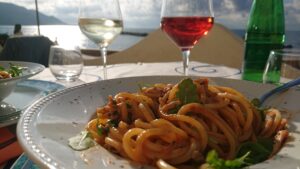
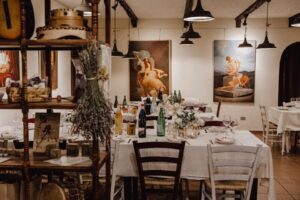
At the Rifugio, he teaches the way teaching once happened: by showing, doing, and sharing. His idea of a school recalls a Platonic academy in the woods, where theory grows around a shared table and practice takes shape through direct work with materials, pigments, and observation of the landscape.
For Cesare, artistic knowledge is first and foremost a shared experience: those who take part in his workshops do not leave with only a technique, but with a different way of observing light, matter, and territory.